Mastering Visual Aesthetics through Precise Lighting in Video Production Houses in Dubai
The Art of Lighting
Lighting is a fundamental aspect of video production. It has the power to transform a scene and evoke specific emotions within viewers. Production houses goes beyond simply illuminating a subject. It is an art form that requires precision, creativity, and an understanding of the interplay between light and shadow. In this blog, we will delve into the intricacies of lighting in video production houses in Dubai. We will explore how it enhances visual aesthetics, sets the mood, and elevates the overall quality of the final product.
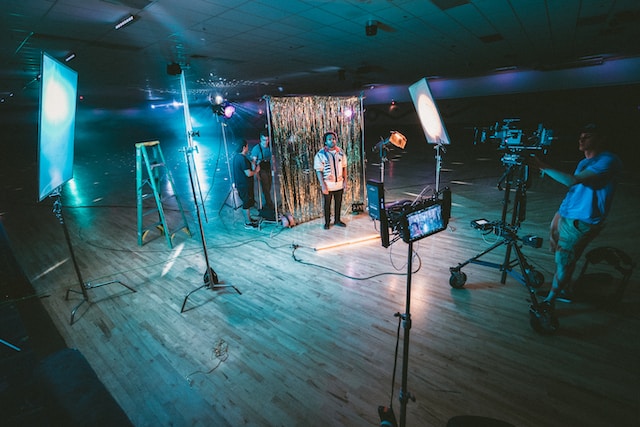
The Power of Lighting:
Lighting serves as a powerful tool in video production houses in Dubai. It enables filmmakers to shape the narrative, evoke emotions, and guide the viewer’s attention. It sets the tone for a scene, establishes the ambiance, and emphasizes important elements. Through strategic lighting choices, videographers can create sense of drama, intimacy, or tranquility, effectively conveying the intended message of video.
Natural vs. Artificial Lighting:
Video production offers the flexibility to choose between natural and artificial lighting, each with its own advantages and considerations. Natural lighting provides a sense of authenticity and can capture the beauty of a real-world setting. On the other hand, artificial lighting allows for more control over the lighting conditions. This enables filmmakers to manipulate the mood, highlight specific areas, and ensure consistency throughout the shoot.
Key Lighting Techniques:
There are various lighting techniques employed in video production to achieve specific visual effects. The three-point lighting setup, consisting of key, fill and backlighting, is a classic approach. This approach creates depth, dimension, and a balanced illumination of the subject. High-key lighting, with its bright and even illumination, creates a cheerful and upbeat atmosphere. While low-key lighting, characterized by strong contrasts and deep shadows, adds drama and intensity.
Color Temperature and White Balance:
Color temperature plays a crucial role in setting the mood and evoking emotions in video production. Different light sources emit light with varying color temperatures, ranging from warm (yellow-orange) to cool (blue). Videographers adjust the white balance to ensure accurate color representation and maintain consistency throughout a shoot. Careful consideration of color temperature and white balance allows for the creation of a cohesive visual experience.
Lighting Accessories and Modifiers:
Lighting accessories and modifiers are essential tools in video production to shape and control light. Diffusion panels soften harsh light, while reflectors bounce and redirect light to fill in shadows or create specific effects. Gels are used to alter the color temperature of light sources, adding a creative touch to the visual aesthetics. Additionally, light meters help videographers measure and fine-tune the intensity of light for optimal exposure.
Lighting for Different Genres and Settings:
Effective lighting techniques vary depending on the genre and setting of the video. In a documentary, natural lighting may be preferred to maintain authenticity. While in a cinematic narrative, dramatic lighting setups can enhance the storytelling. Understanding the specific requirements of each genre allows videographers to make informed lighting choices that contribute to overall visual narrative.
Embracing Creativity and Experimentation:
While there are established lighting techniques, the art of lighting also involves creativity and experimentation. Videographers are encouraged to push boundaries, think outside the box, and create unique lighting setups that reflect their artistic vision. By exploring different lighting angles and intensities, videographers can add distinctive touch to work, making it visually captivating and memorable.
Collaboration with the Production Team:
Effective lighting in video production requires close collaboration between the videographer, director, production designer, and other team members. Understanding the desired mood, theme, and narrative of the video helps inform lighting choices and ensures a cohesive visual experience. Open communication and a shared vision contribute to a harmonious production process and a visually stunning final product.
The Impact of Lighting in Post-Production:
Lighting not only influences the visual aesthetics during the shoot but also has an impact in post-production. Well-lit footage provides a solid foundation for color grading and editing This allows for greater flexibility and control in post-processing. Properly executed lighting techniques enhance the overall quality of the footage and streamline the editing process.
Evolving Trends and Technologies:
The world of lighting in videography services is constantly evolving, with new technologies and trends emerging. LED lighting systems offer energy efficiency, versatility, and controllability, revolutionizing the way light is used in video production. Virtual production techniques, such as real-time compositing with virtual backgrounds, require precise lighting setups to seamlessly integrate virtual elements into live-action footage. Staying abreast of these advancements allows videographers to continually refine their craft and create visually stunning videos.
Lighting for Product and Commercial Videos:
Lighting plays a pivotal role in showcasing the features, details, and textures of the products. Proper lighting enhances the product’s visual appeal, creates an inviting atmosphere, and emphasizes its unique selling points. Techniques like highlight lighting and product-specific lighting setups are employed to accentuate the product’s qualities and create desirable visual presentation.
Creating Mood and Atmosphere through Lighting:
Lighting has the remarkable ability to create and manipulate mood and atmosphere in video production. By using different lighting techniques, such as soft lighting for a romantic scene or harsh lighting for a tense moment, videographers can effectively convey the intended emotions to the viewers. The art of lighting allows videographers to shape the viewer’s emotional response.
Dynamic Lighting Transitions and Movement:
Incorporating dynamic lighting transitions and movement can add a visually engaging element to video production. By utilizing techniques such as lighting cues, dimming, or changing colors, videographers can create seamless transitions between scenes or evoke a sense of energy and excitement. Moving lights or changing lighting patterns can also be employed to enhance action sequences. This creates a sense of rhythm, or emphasize specific moments within the video.
Conclusion:
The art of lighting in video production in Dubai goes beyond illuminating a scene. It is a creative endeavor that enhances visual aesthetics, sets mood and elevates the overall quality of the final product. Through strategic lighting choices, videographers can evoke emotions, guide the viewer’s attention, and shape the narrative. By understanding lighting techniques, embracing creativity, and collaborating with the production team, videographers can create visually captivating videos that leave a lasting impression on audiences. As technology continues to evolve, the possibilities in the realm of lighting are limitless. This offers videographers endless opportunities to push boundaries, experiment, and master the art of lighting.